Blog · August 26, 2026
Eloping in Rocky Mountain National Park
A two-person elopement in Rocky Mountain National Park still needs a $300 Special Use Permit, applied a year ahead. The permit process and best small sites.
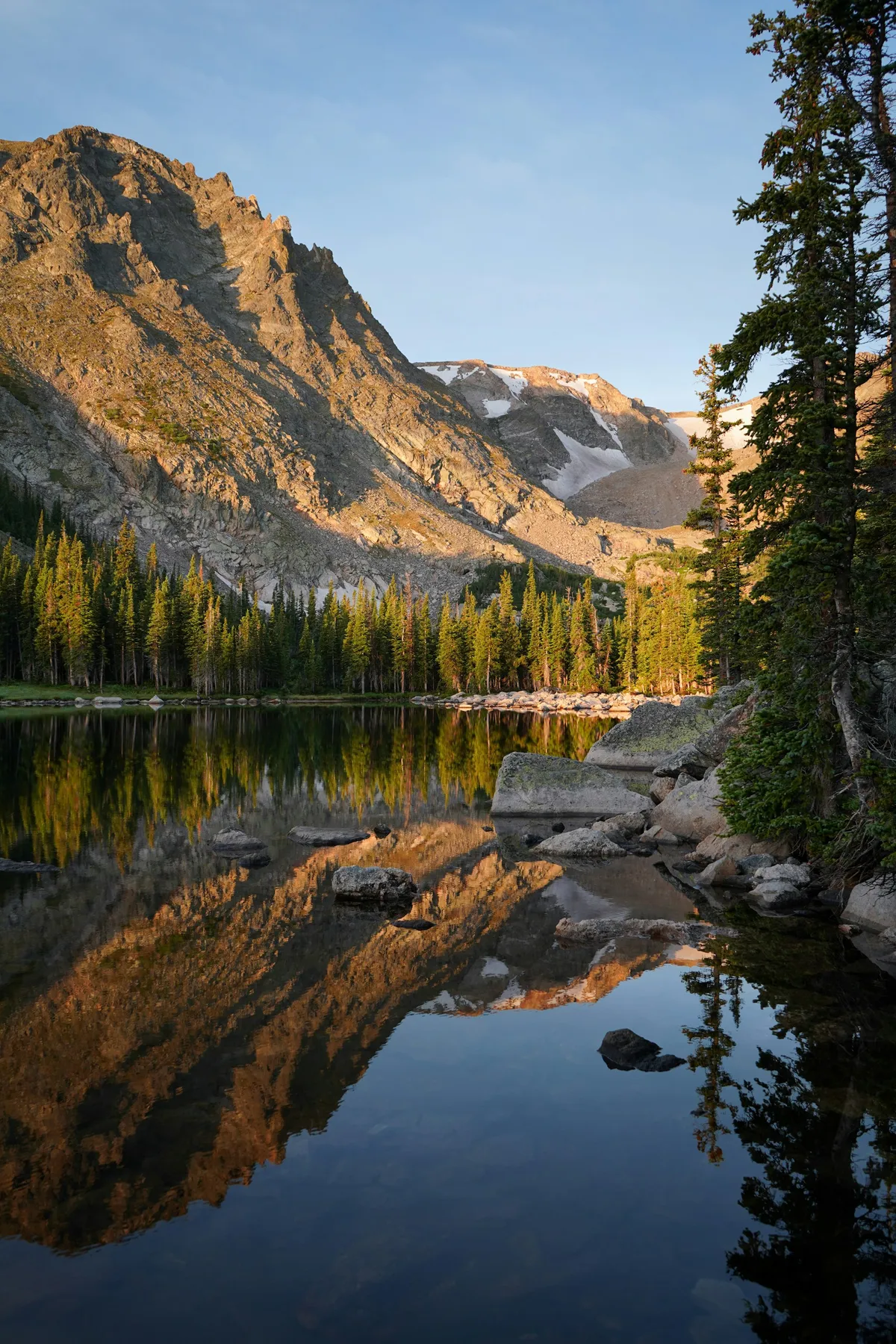
There’s something perfect about saying “I do” with no one around but the two of you, a few elk, and a wall of 13,000-foot peaks. But don’t let the intimacy fool you: Rocky Mountain National Park treats a two-person elopement exactly like a full wedding when it comes to rules. Here’s the short version.
Yes, you still need a permit
Any ceremony involving two or more people, including a private elopement with just you, your partner, and an officiant, requires a Special Use Permit from the National Park Service. Ceremonies without one risk fines and removal from the park. There’s no “just quietly doing it” workaround.
The essentials
- Fee: $300, non-refundable, paid only after your application is approved. See what happens if you need to cancel or reschedule for how that non-refundable status factors into trip-insurance decisions.
- Timing: Applications open exactly one year ahead of your desired wedding month, reviewed on a rolling basis from the 1st of that month.
- Limits: No more than two weddings per site per day, six total per day, park-wide.
- Heads up: As of mid-2026, several 2026 months (May–June, Aug–Oct) are already fully booked; plan well ahead, or look at shoulder-season dates.
This $300 permit fee is separate from park entrance costs. If anyone in your group isn’t a US citizen, also budget for the $100 non-resident fee per person.
Apply the day the window opens. Popular months hit their permit cap fast, sometimes within the first few days. Mark your calendar for the 1st of the month, exactly one year before your target wedding month, and submit that morning. Waiting even a couple of weeks can mean your month, or your preferred small site, is gone.
Best spots for just the two of you
You don’t need a 30-person site. The smaller, quieter locations suit an elopement better and are easier to secure:
- Lily Lake Dock: max 10 people, 3 vehicles. Small, simple, lakeside.
- 3M Curve: max 15 people, 3 vehicles. Sweeping mountain views, minimal crowds.
- Sprague Lake (summer): max 15, on a lakeside wedding dock, though a popular spot with other visitors nearby.
All sites are public: the park doesn’t grant exclusive use, so other hikers or visitors may pass through during your ceremony.
How to apply
- Complete the application: include your info, a description of your plans, a specific date/site/2-hour window, and your (small) headcount.
- Email it to
[email protected]. No mail, fax, or phone submissions. Allow 7–10 days. - Sign and pay once approved: the park sends a draft permit and payment instructions for the $300 fee.
- Get your final signed permit: bring a printed or digital copy on the day. It also acts as your park entry reservation, so no separate timed-entry pass needed.
Rules to know before you say “I do”
- 2 hours total, including setup and photos.
- No decorations, altars, arches, tents, floral scattering, or generators. A couple of chairs are fine if needed.
- No drones, ever, even with an FAA license.
- Sites are outdoors with no weather shelter and sometimes no nearby restrooms.
- Photography/videography is covered under your permit, and you’re free to explore elsewhere in the park afterward without an extra permit.
Don’t forget the actual marriage license
The park permit only covers your ceremony location, not the legal marriage. In Colorado:
- You don’t need to be a US citizen or resident; a valid foreign passport works as ID.
- Get the marriage license from any County Clerk & Recorder; Larimer County’s Estes Park branch is minutes from the park, though note it’s appointment-only with no general notary service there.
- Costs $30, valid for 35 days, both of you generally need to appear in person.
- Colorado allows self-solemnization: you can legally marry each other with no officiant required, which pairs nicely with a quiet, just-the-two-of-you ceremony.
- If your ID isn’t in English, bring a certified translation, and consider getting an apostille on your Colorado marriage certificate if you’ll need it recognized abroad.
A few last things
Mountain weather flips fast, even in July, and most sites sit above 8,000 feet, so give yourselves a few days to acclimatize before the ceremony. See attire and altitude prep for layering advice and how to time your arrival. Always name a backup date on your application in case of weather or closures.
That’s it: permit, small site, license, and you’re legally (and beautifully) married in the Rockies. If the permit process or the crowds have you weighing other options, see scenic spots within 2 hours of Denver for lower-hassle alternatives closer to the city, or eloping at Maroon Bells for a different, equally iconic mountain backdrop with its own reservation system instead of a permit. Once the permit and license are sorted, a rental car is close to essential for actually reaching the park; see do you need a rental car in Colorado for why. And if you’re staying on afterward, Estes Park makes a good honeymoon base right at the park’s doorstep.
Quick answers
Do you need a permit to get married in Rocky Mountain National Park?
Yes. Every ceremony, including a two-person elopement, requires a $300 Special Use Permit from the National Park Service, regardless of guest count.
How far in advance do you need to apply for an RMNP wedding permit?
Applications open exactly one year ahead of your desired wedding month, reviewed on a rolling basis starting the 1st of that month. Popular months can fill within days.